AI Agents and Prediction Markets Push Against CFTC Frameworks
AI agents and prediction markets are testing CFTC regulatory frameworks through autonomous trading and event contracts in mid-2026. Stablecoins serve as
Summary
- AI agents and prediction markets are testing CFTC regulatory frameworks through autonomous trading and event contracts in mid-2026.
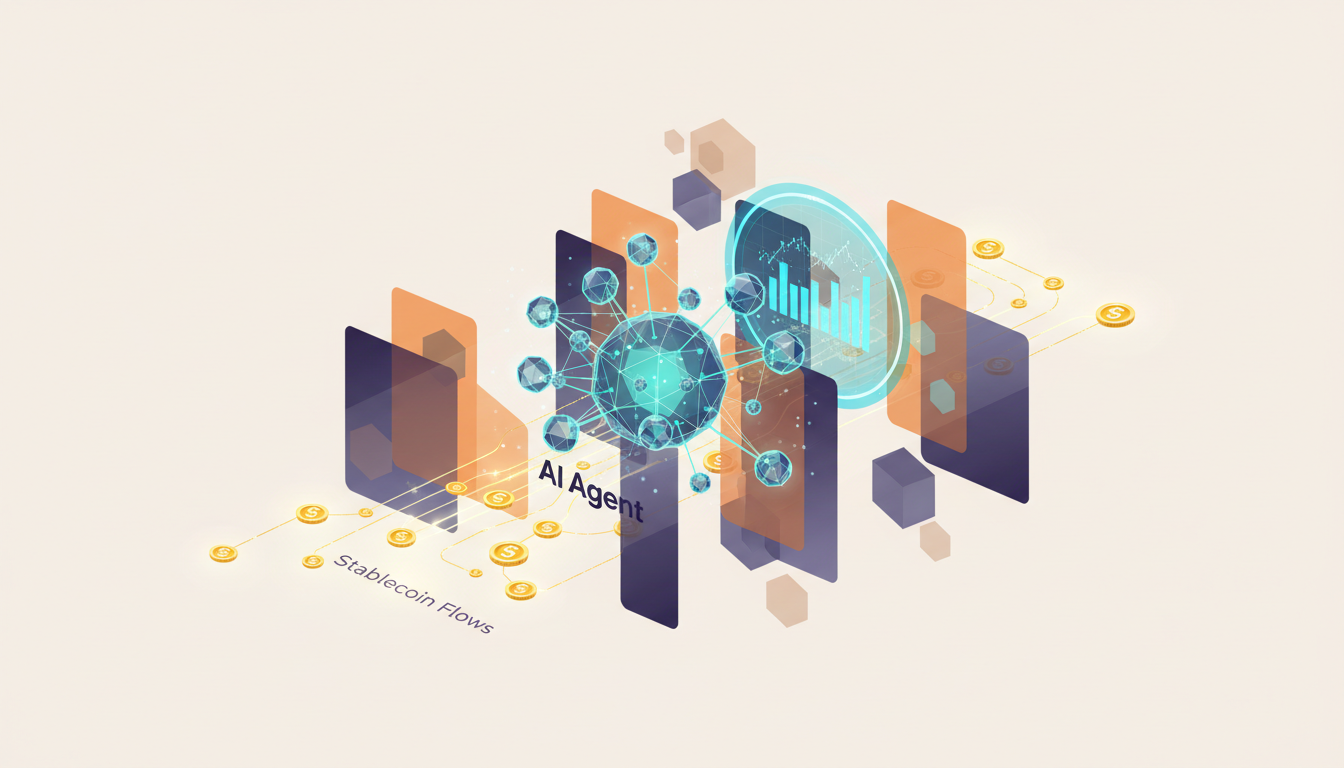
- Stablecoins serve as the settlement layer connecting tokenization, DeFi, AI agents, and prediction markets.
- RWA growth in 2026 outpaces prior years while crypto voter influence on midterms shows polling gaps.
AI agents integrated with prediction markets collided with CFTC oversight in June 2026. The regulator advanced rules on event contracts. It issued penalties for AI misuse at the same moment midterm polling revealed gaps in crypto priorities.
These moves arrive as autonomous systems begin executing trades and settling outcomes directly onchain.
The timing highlights pressure on legacy frameworks. CFTC actions target prediction markets. AI agents gain tools to connect wallets, APIs, and stablecoins for real economic activity.
Context
Web3 in 2026 shows two forces shaping its economic role. Real-world asset tokenization and AI agents now operate on shared rails. Stablecoins function as the common settlement layer for tokenization, DeFi, AI agents, and prediction markets.
RWA market expansion accelerated faster in 2026 than in any previous year.
Data as of July 29 2026 from MetaMask analysis shows distributed onchain value climbing steadily. This growth supplies collateral and liquidity that AI agents can access without traditional intermediaries. The expansion gives agents direct access to new capital pools.
Details
Agent payment tools now link wallets directly to APIs and stablecoins. These connections allow AI systems to initiate, fund, and settle positions in prediction markets autonomously. The result places new demands on CFTC oversight designed for human participants and centralized platforms.
Meta's push for personal AI agents intersects these shifts.
U.S. crypto regulation changes on prediction markets create friction for agents designed to operate across borders and asset classes. Stablecoins reduce friction for settlement yet raise questions about jurisdiction when agents trade across multiple chains. Crypto voter influence on the midterms appears overstated.
Polling gaps show crypto issues rank lower than other topics for most voters, even as industry activity around RWAs and AI agents expands.
"Stablecoins become the settlement layer for everything: tokenisation, DeFi, AI agents, and prediction markets increasingly run on stablecoin rails."
, Aurum Law (Source)
Outlook
CFTC frameworks will face continued tests as agent-driven activity scales. Regulators and platforms must clarify how existing rules apply to autonomous systems that use stablecoins and RWAs for settlement. Market participants should watch for further guidance on event contracts and AI compliance through the remainder of 2026.