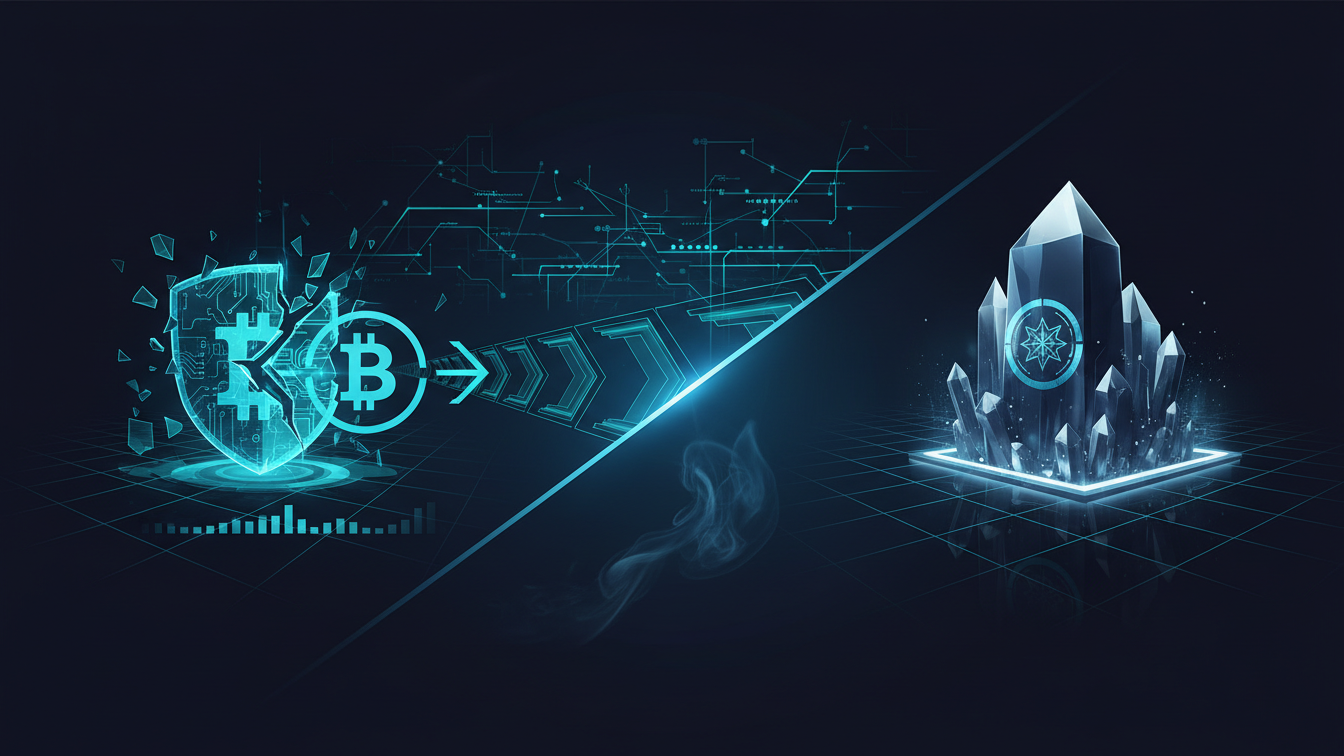
AI and Layer-2: The 2026 Crypto Scaling Revolution
AI is set to transform layer-2 scaling solutions, driving blockchain innovation by 2026. Platforms like Ethereum and Solana are leveraging layer-2 tech and
Summary
- AI is set to transform layer-2 scaling solutions, driving blockchain innovation by 2026.
- Platforms like Ethereum and Solana are leveraging layer-2 tech and AI for scalability and efficiency.
- Security challenges in cross-chain bridges like Wormhole remain a hurdle for broader adoption.
We're heading toward 2026, and AI is ready to change the crypto world by working with layer-2 scaling solutions.
These tools will tackle key problems like scalability and costs on blockchains.
Ethereum and Solana are leading this effort, using the tech to handle more transactions and user needs.
This shift will reshape how blockchain ecosystems work.
Why focus on this now? Blockchain adoption is picking up speed, so faster and cheaper transactions are essential.
AI's talent for tweaking code and infrastructure will make a real impact, potentially changing DeFi, gaming and more for a better crypto future.
Context: Why AI and Layer-2 Solutions Are Critical
Blockchain networks have battled scalability issues for years, with high fees and slow speeds during peak times.
Ethereum has dealt with these challenges most, sparking layer-2 solutions that move transactions off the main chain and keep security and decentralization strong, as explained on ethereum.org.
These fixes are key to the industry's expansion as more users sign on.
AI is becoming a vital tool to boost these scaling moves.
By 2026, AI-driven coding will take over the crypto development scene, pushing forward efficient layer-2 protocols and setups, according to kucoin.com.
It's a must-have as crypto scrambles to meet worldwide needs for decentralized apps.
"If 2024 was about AI autocomplete and 2025 was about agentic assistants, April 2026 is the month the 'New Dev Stack' achieved total dominance."
, KuCoin Blog (KuCoin)
Details: How AI Fuels Layer-2 Innovation
Layer-2 solutions on Ethereum, like rollups and sidechains, handle transactions away from the main blockchain to cut costs and boost speed, as noted on ethereum.org.
Adding AI could improve them further.
AI algorithms will optimize transaction batches, spot network jams and automate smart contract builds, making layer-2 networks run smoother by 2026.
Interoperability between blockchains such as Solana and Ethereum is crucial for a connected crypto world.
Wormhole, a multi-chain bridge, links these networks for asset swaps and DeFi actions, but security risks linger and could erode trust, per phemex.com.
If AI steps in with tools like predictive security or automatic checks, it might build more faith in these links.
Experts predict AI development tools will rule crypto by April 2026, speeding up layer-2 launches.
The payoff is huge.
This means creating a solid base for millions of users, though challenges like protecting linked networks remain.
Reaction: Challenges and Industry Concerns
The mix of AI and layer-2 tech is thrilling, but risks have people worried.
Wormhole and other cross-chain bridges face security threats that could block wider use, based on phemex.com.
If AI can't fix these weak spots, trust in decentralized systems might slip.
The crypto world is paying close attention.
AI can speed things up, but it has to focus on strong security too.
Balancing new ideas with reliability is the toughest hurdle as 2026 nears.
By then, we'll see how AI integrates with layer-2 scaling on Ethereum and Solana.
Watch for updates on Wormhole's security issues, as they could shape mainstream crypto growth.
The path forward looks bright, but it needs both innovation and caution.