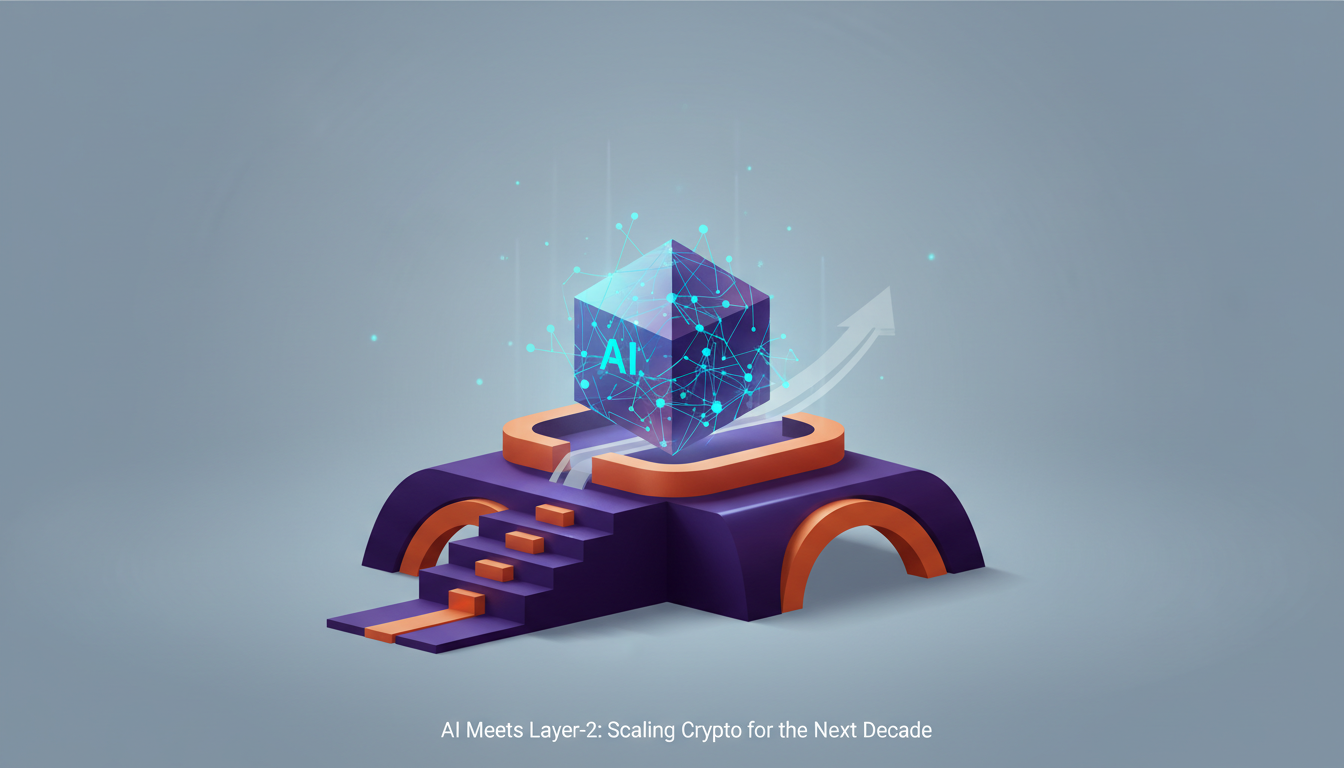
AI Meets Layer-2: Scaling Crypto for the Next Decade
AI is revolutionizing layer-2 scaling solutions, tackling blockchain's biggest challenges like speed and cost for 2026 and beyond. Decentralized AI compute
Summary
- AI is revolutionizing layer-2 scaling solutions, tackling blockchain's biggest challenges like speed and cost for 2026 and beyond.
- Decentralized AI compute networks are emerging as critical infrastructure, bridging blockchain economics with AI's scalability needs.
- While promising, AI-driven crypto predictions and integrations remain speculative and face adoption hurdles.
As 2026 approaches, AI technologies transform the crypto space by powering layer-2 scaling solutions. They tackle blockchain's issues with scalability and efficiency, from speeding up transactions to cutting costs. Innovations in decentralized compute networks could build a stronger crypto infrastructure.
Bottlenecks plague the crypto ecosystem. Networks like Ethereum face high fees and slow transactions that block mass adoption. AI's blend with layer-2 solutions might fix that and unlock blockchain's potential by the end of the decade.
Context: The Scalability Crisis and AI's Role
Blockchain technology has hit scalability limits. Bitcoin and Ethereum handle few transactions per second, causing congestion, delays and rising fees during busy times. Layer-2 solutions ease the load on base chains, but they still need help to manage the growth of apps and users by 2026.
AI steps in here. It uses machine learning and algorithms to optimize routing, boost security and allocate resources on layer-2 networks, as recent studies show. Decentralized AI compute networks link blockchain incentives with AI's needs for scalable setups.
AI drives a symbiotic link between the technologies.
Details: How AI Fuels Layer-2 Innovation
AI boosts layer-2 scaling in many ways. It predicts congestion, adjusts fees and prioritizes processing to cut latency, according to research. That leads to quicker, cheaper transactions for users around the world.
Decentralized AI compute networks form the core of this shift. They spread computing power across nodes to run AI smoothly without central issues, and blockchain rewards keep people involved. By 2026, layer-2 networks enhanced by AI might handle millions of transactions per second.
"AI technologies are key to unlocking blockchain's potential by addressing core challenges like scalability and security."
, Research Insights (MDPI)
AI models like Grok predict big crypto gains by 2026. For example, they forecast XRP at $15 if Ethereum hits $54,000, based on better scalability. Those forecasts are speculative, though, and don't cover regulations or market surprises.
Reaction: Industry Hopes and Hurdles
The crypto community is excited about AI's role in layer-2 solutions. Developers are testing integrations that improve speed and cut costs. Skeptics worry about the timeline, though.
Early efforts face challenges like compatibility and energy use. No one knows if these ideas will scale by 2026. The industry must tackle technical and regulatory barriers.
Partnerships between blockchains and AI networks will likely grow. We'll see if they meet expectations by 2026. Keep watching Ethereum and other initiatives for changes.