April 2026 Market Volatility: Navigating Record Highs and Geopolitical Risks
The S&P 500 surged 7% in April 2026, hitting record highs despite global tensions between the U.S. and Iran. Strong earnings, favorable inflation data, and
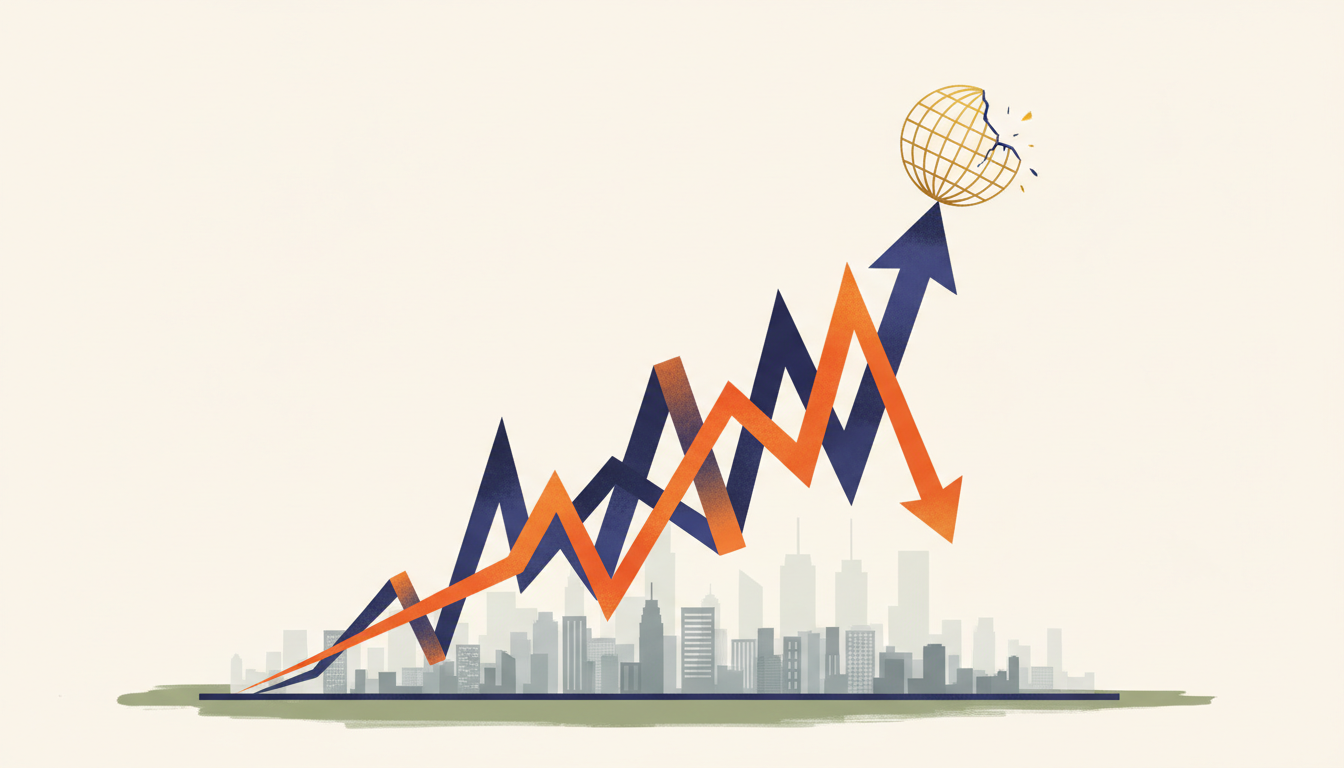
Summary
- The S&P 500 surged 7% in April 2026, hitting record highs despite global tensions between the U.S. and Iran.
- Strong earnings, favorable inflation data, and rising oil prices are key drivers of the market rally.
- Geopolitical risks remain a potential trigger for sudden volatility or downturns.
Picture this: the S&P 500, a benchmark for the health of the U.S. economy, has soared an impressive 7% since the start of April 2026 and reversed earlier declines to reach unprecedented heights. Reports from Fool.com show this surge happened even as the world holds its breath over rising tensions between the U.S. and Iran. It's a bold contrast that makes you wonder if this rally is a real opportunity or just a risky high wire act.
Markets hit record highs on April 20, 2026, thanks to robust corporate earnings, promising inflation data, and tricky oil price dynamics that The Life Group points out.
We explore what's fueling this surprise surge, look at the numbers, and consider the risks that could throw a wrench in this upbeat trend.
S&P 500's Remarkable 7% Climb: A Sign of Resilience
The numbers speak for themselves.
The S&P 500 has racked up a remarkable 7% gain since the beginning of April 2026, flipping the script on the declines from the first three months of the year. Analysts highlight strong corporate earnings as the main force behind this rally, with many companies beating expectations in sectors from technology to consumer goods and showing surprising adaptability amid economic challenges.
And honestly, that's a big deal. This trend reflects a broader shift where businesses handle headwinds with real grit, even as global uncertainty swirls around them. Inflation data from early April has eased some worries, though the reports don't spell out the specifics.
The Life Group notes that these numbers suggest things are stabilizing, which investors have craved for a while. That led to a record peak on April 20, 2026, one that caught a lot of people off guard.
"Markets hitting record highs on April 20, 2026, is a testament to the strength of earnings and stabilizing inflation data, even as global tensions simmer."
, Editorial Team (The Life Group)
Oil Prices and Geopolitical Dynamics: A Double-Edged Sword
NBC News reports that the spike in oil prices stems from fresh tensions between the U.S. and Iran over the Strait of Hormuz, a key chokepoint for global oil supplies.
This has rippled through the stock market and boosted performance in the energy sector. Rising oil prices often mean bigger profits for energy companies, which pushes up their stock values and props up indices like the S&P 500 as investors bet on steady demand and tight supplies.
Energy stocks have surged as a result. Yet this benefit comes with a catch, since higher oil costs can pinch profits in other industries and stoke inflation, weaving a complicated picture of gains and losses. The Strait of Hormuz situation shows how global events can quickly affect finances, turning what looks like a win into a potential trap.
The Counterpoint: Geopolitical Risks Loom Large
Stocks slipped on April 19, 2026, with CNBC reporting that the S&P 500 dropped 0.24% to close at 7,109.14 after a tense weekend between the U.S. and Iran.
This small dip serves as a sharp reminder that markets can buckle under sudden shocks. The risk is simple: if the conflict escalates, it could disrupt oil supplies, drive prices too high, or spark wider economic trouble that wipes out April's gains in days.
The current rally feels almost stubborn in the face of these threats. Which, if you've ever tracked market swings, shows how quickly things can turn.
"Tensions between the U.S. and Iran escalated over the weekend, and stocks felt the heat with a 0.24% drop on Monday. It's a warning sign."
, Market Analyst (CNBC)
Synthesis: Weighing the Bullish and Bearish Forces
Fool.com and The Life Group emphasize the 7% S&P 500 gain, solid earnings, and stabilizing inflation data as signs of strong momentum on one side.
On the other, CNBC warns of the dangers from U.S.-Iran tensions and shaky oil prices that could topple this rally. Bullish drivers include strong corporate earnings, stabilizing inflation, and oil price boosts for energy stocks, while bearish risks involve possible escalations in the conflict, oil supply hiccups, and overall market jitters.
This push and pull shapes the April 2026 scene, with economic basics offering a solid base for now. It's a fine line, and the coming weeks might shift the balance. The evidence tilts toward short-term hope, though investors can't ignore the wildcard of geopolitical unrest.
That mix means it's smart to stay alert and diversify your holdings.
As we move past April 2026, these record highs could go either way.
Markets have proven tough, but that undercurrent of tension is a real unknown. For investors, the key is to keep tabs, spread out risks, and brace for ups and downs. After all, a 7% jump is exciting, but it's no sure path to calm waters. Do you see this as lasting strength or a setup for a fall? That's the puzzle everyone should watch as things unfold.