Bitcoin Ordinals Frenzy: Redefining NFT Culture in 2026
Bitcoin Ordinals are driving a resurgence in NFT interest, with ORDI token surging up to 169% in 2026. OnChainMonkey's dual-chain approach, bridging
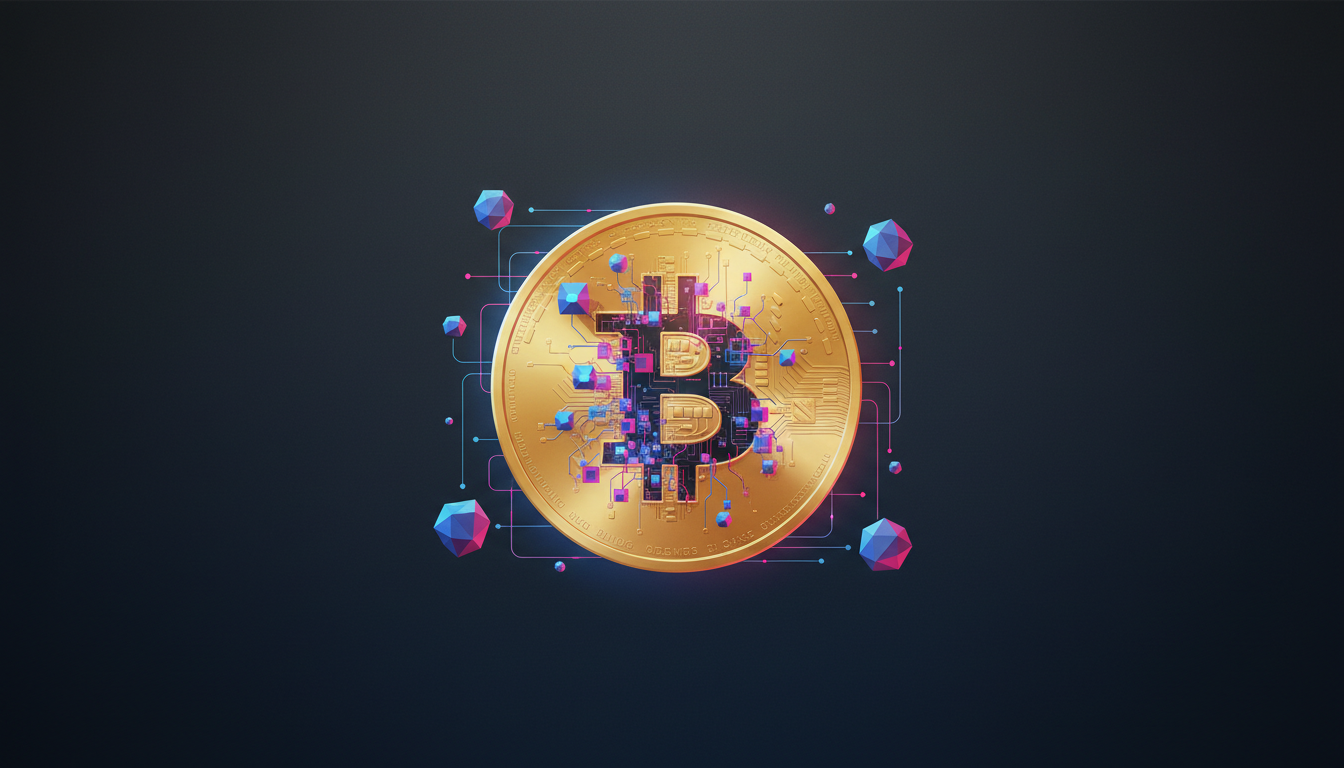
Summary
- Bitcoin Ordinals are driving a resurgence in NFT interest, with ORDI token surging up to 169% in 2026.
- OnChainMonkey's dual-chain approach, bridging Ethereum and Bitcoin, marks a historic milestone for digital art.
- The frenzy around Ordinals is boosting marketplace activity, with OKX NFT volumes surpassing competitors.
Imagine a digital canvas flickering to life in the vast, uncharted expanse of the Bitcoin blockchain, where it's early 2026 and a single piece of art etched as an Ordinal is trading for a small fortune on the OKX NFT marketplace, its value spiking right alongside the ORDI token's meteoric 169% surge as a virtual crowd of collectors and creators buzzes with excitement. Bitcoin, which people have long seen as a stoic store of value, is transforming into a gallery for unique digital masterpieces. This isn't just any transaction.
It's a cultural shift that started as a niche experiment and has exploded into a full-blown frenzy, redefining how we think about NFTs and digital ownership while projects like OnChainMonkey dare to bridge two blockchain giants and tokens like ORDI capture the crypto world's imagination. Creators are inscribing unique digital assets directly onto Bitcoin's blockchain, offering the permanence and security of the world's oldest cryptocurrency in a way that feels almost alchemical. OnChainMonkey's Genesis project, the first 10,000-piece NFT collection to exist on both Ethereum and Bitcoin blockchains, took this idea to a groundbreaking level by building that bridge and proving Bitcoin could be more than a currency.
The Roots of a Revolution
Creators launched Bitcoin Ordinals as a novel concept that lets them inscribe unique digital assets directly onto Bitcoin's blockchain, unlike the sprawling NFT ecosystems on Ethereum. This offered the permanence and security of the world's oldest cryptocurrency, embedding history into the very fabric of Bitcoin's ledger in a way that felt almost alchemical when it first appeared. OnChainMonkey didn't just play in one sandbox.
It built a bridge between two blockchains with its Genesis collection, the first 10,000-piece NFT project to span both Ethereum and Bitcoin, and that launched with a vision to push the boundaries of on-chain art and mark a historic moment. The allure of Ordinals grew quietly at first, a whisper among blockchain enthusiasts that soon became a roar by 2026, fueled by a renewed narrative around Bitcoin's untapped potential for creativity. Projects like OCM weren't just experiments anymore.
The 2026 Surge: Ordinals Take Center Stage
The ORDI token, tied to the Ordinals protocol, has seen staggering gains in 2026 with surges of 92%, 137%, and even 169% across various platforms, turning what was once a slow burn into a wildfire that reignited interest in a space many thought had cooled off. Not all is smooth sailing, though, as ORDI remains 92% below its all-time high, a stark reminder of the volatility that haunts even the hottest trends, and investors are riding that rollercoaster of potential gains and sharp downturns. Which, if you've been keeping an eye on crypto, probably doesn't surprise you all that much.
OnChainMonkey keeps carving its path with its dual-chain innovation, standing as a testament to what happens when creativity meets technology and challenging other projects to cross boundaries that once seemed impossible. Their Genesis collection has become a statement in a market where activity is heating up, and OKX NFT volumes are outpacing giants like Blur and OpenSea.
A Lasting Impact on Digital Culture
Bitcoin Ordinals and projects like OnChainMonkey are rewriting the rules of digital ownership and cultural expression by embedding NFTs directly into Bitcoin's blockchain, creating a new kind of permanence that's as unyielding as the cryptocurrency itself, and this goes far beyond just minting art to influence how future generations value and interact with it. Marketplaces are feeling those ripple effects too, with the surge in OKX NFT volume suggesting a broader appetite for Bitcoin-based assets as collectors buy pieces of history rather than mere images. If this momentum continues, Bitcoin might soon become as synonymous with digital art as Ethereum has been, and that's reshaping the entire scene.
There's something poetic about Bitcoin, born as a rebellion against traditional finance, now serving as a bastion for artistic rebellion as well.
A Lasting Impact on Digital Culture
Why does any of this matter? Because Bitcoin Ordinals, and projects like OnChainMonkey, are doing more than just minting art; they’re rewriting the rules of digital ownership and cultural expression. By embedding NFTs directly into Bitcoin’s blockchain, they’ve created a new kind of permanence, a digital artifact that’s as unyielding as Bitcoin itself. This isn’t just a trend, it’s a paradigm shift that could influence how future generations value and interact with art.
Marketplaces are feeling the ripple effects too. The surge in OKX NFT volume, overtaking established players amid the Ordinals frenzy, suggests a broader appetite for Bitcoin-based assets. Collectors aren’t just buying images; they’re buying pieces of history, fragments of a blockchain that’s already changed the world once. If this momentum holds, we could see Bitcoin become as synonymous with digital art as Ethereum has been.
"OKX NFT volume surpassing Blur and OpenSea shows how Bitcoin Ordinals are reshaping the marketplace landscape in 2026."
, TaikoXYZ (X)
There’s something poetic about this, isn’t there? Bitcoin, born as a rebellion against traditional finance, now stands as a bastion for artistic rebellion too. Projects like OCM are proving that even the oldest blockchain can learn new tricks, pushing the NFT space into uncharted territory. And while the road ahead for ORDI and Ordinals isn’t without bumps, their impact on how we define value in the digital age is undeniable.
Closing the Canvas
Back in that virtual gallery of early 2026, where a Bitcoin Ordinal changed hands on OKX, the transaction felt like a quiet revolution, and now that we can see the full scope of this frenzy from ORDI’s wild surges to OnChainMonkey’s bold dual-chain leap, that moment carries even deeper weight. It wasn’t just a sale; it was a marker, a signpost in the evolving story of digital art and ownership, one that invites us to imagine a future where the lines between currency, art, and technology blur into something entirely new. As the dust settles on this latest wave, Bitcoin Ordinals have opened a door that won’t easily close.