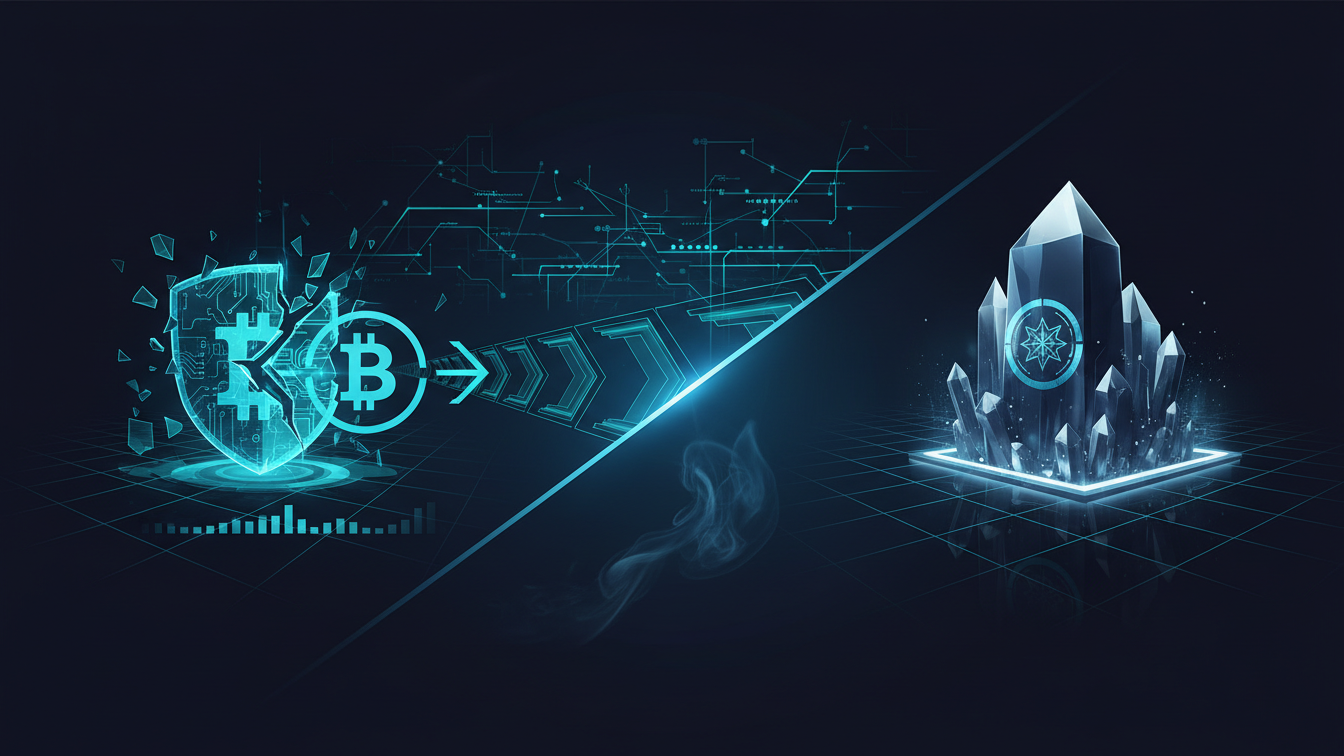
Crypto's Quantum Future: Why ZK-Privacy Protocols Are Immune
Zero-knowledge proof (ZK) systems like Railgun and Aztec are proven immune to quantum computing threats, offering a secure future for crypto privacy.

Summary
- Zero-knowledge proof (ZK) systems like Railgun and Aztec are proven immune to quantum computing threats, offering a secure future for crypto privacy.
- Coinbase and leading research bodies warn of significant quantum risks to non-ZK blockchain systems by 2026.
- Adoption of ZK-based solutions, such as Starknet, is surging with millions of transactions already processed.
In the cryptocurrency world, experts have confirmed that zero-knowledge proof (ZK) protocols like Railgun, PrivacyPools, Aleo, and Aztec are immune to quantum computing attacks as of April 2026. A joint study from Coinbase, Stanford, and the Ethereum Foundation, reported by Intellectia.ai, shows these tools hold up while other blockchain systems face serious risks. ZK technology is now a key way to protect digital assets as quantum threats grow.
That's a big deal for the industry.
"Zero-knowledge proof systems are mathematically safe from quantum attacks, providing a robust defense where other systems falter."
, Ohris M. Greyoon, Blockchain & Crypto Expert (Intellectia.ai)
The Rising Quantum Challenge
Quantum computing brings a huge change in power and can break the encryption methods that most blockchain networks rely on. Unlike classical computers, quantum systems solve tough math problems at incredible speeds, endangering public-key cryptography in platforms like Bitcoin and Ethereum. Research from Coinbase and other groups in 2026 shows this threat is real and immediate.
The crypto industry's outdated standards have set up a dangerous situation.
What caused this? Quantum research has moved fast, and the industry's dependence on old cryptography creates a time bomb. Coinbase's warnings, along with studies from Stanford and the Ethereum Foundation, stress that systems without ZK must change soon or face major breaches.
Unpacking ZK Immunity and Adoption
Zero-knowledge proof systems let you verify data without showing the details. Reports from Crypto Privacy News explain how this approach keeps private info safe from quantum computers, making protocols like Railgun and Aztec naturally secure. The joint study from Coinbase, Stanford, and the Ethereum Foundation backs this up and calls these protocols the best for privacy in a quantum world.
Starknet, a Layer 2 solution for Ethereum that uses ZK tech, has handled 287 million transactions with a TVL of $571 million as of April 24, 2026, per StarkWare.
That's proof of growing confidence in ZK systems. While ZK protocols resist quantum threats, their complexity can challenge developers and slow implementation. They need expertise to integrate into existing blockchains, which might delay wider use for now.
Industry Response and Implications
The crypto community feels relieved yet urgent about these findings. Coinbase's position paper has pushed developers to focus on quantum-resistant tech, boosting privacy projects that use ZK proofs.
This could reshape regulations and competition.
As ZK protocols become the go-to for security, projects that ignore them might lose trust from users. Those that adopt ZK could face questions about privacy in areas with tough data rules. The industry is at a turning point, with efforts to add ZK to major networks like Ethereum speeding up Layer 2 options such as Starknet.
Watch for new research and policies that will drive this shift.