Google Adds AI Avatars to Vids Amid Auto Sector AI Surge July 2026
Google's 16 July 2026 rollout of personal AI avatars in Vids marks a clear expansion of accessible AI video tools for both enterprise and consumer domains.
Summary
- Google's 16 July 2026 rollout of personal AI avatars in Vids marks a clear expansion of accessible AI video tools for both enterprise and consumer domains.
- Research from 2025 shows measurable effects of AI-generated NFT art on art market sales volume and value, pointing to ongoing integration with blockchain.
- Institutional moves in crypto, including shifts toward projects like HBAR, create competing narratives that may slow pure focus on AI-generated NFTs.
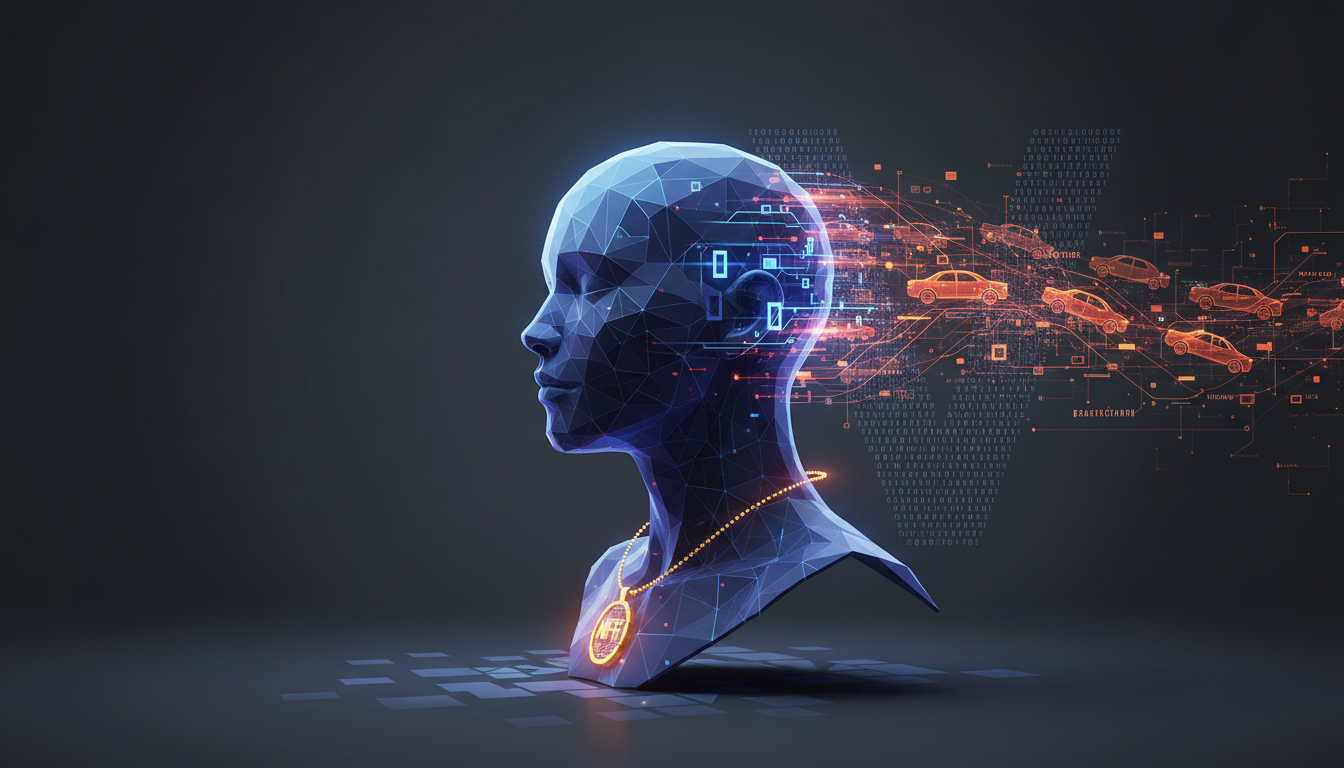
Google started letting Rapid Release domains create personal avatars on 16 July 2026. Admins now flip a switch to turn the feature on or off across their domain. That move brings realistic face-and-voice avatars inside Google Vids to far more people. It follows earlier tests and counts as one of the first big pushes of customizable avatars into a mainstream productivity app.
The timing lines up with fresh looks at how AI tools shape digital ownership markets. A 2025 study by A Terekhova measured the effect of AI-generated NFT art on global art sales volume and value. Those numbers, paired with the new avatar rollout, show AI video tools and AI-generated NFTs moving forward on separate but parallel tracks in mid-2026.
Google Vids Avatar Launch Details
The 16 July 2026 date matters because it takes AI avatars out of previews and into real production use. Rapid Release domains got the feature first. Organizations can now try personal avatar creation without waiting for the next scheduled update. Domain admins keep control by enabling or disabling the option as they see fit.
This lowers the bar for making short video clips with consistent digital likenesses. Users feed in their own face and voice data to generate the clips. The process already shows up in tutorials on Google Omni AI workflows. The outcome is quicker production of personalized video assets that slot straight into marketing, training, or social channels.
Because the avatars live inside Google Vids, they connect directly with existing docs and presentation tools. That tight link pushes more teams to test generative media instead of treating AI video as some separate creative silo. Which, if you've been watching this space, shouldn't be surprising.
AI-Generated NFTs and Market Signals
The 2025 study by A Terekhova tracked how AI-generated NFT art shifts overall art market activity. It looked at both sales volume and realized market value, giving baseline data on whether algorithmic work expands or crowds out traditional segments. Those findings still matter now that more creators can reach avatar and generative tools.
- Generative Art NFTs combine AI outputs with blockchain provenance.
- Ownership records stay immutable even when the underlying image or video is produced algorithmically.
- The same tools now appearing in Google Vids can supply source material for new NFT collections.
This overlap suggests that easier avatar generation could boost the supply of short video NFTs. Creators who play around inside Vids might export clips, mint them as generative art NFTs, and test demand on existing marketplaces. The 2025 study gives a reference point for tracking whether that activity lifts total market value or just moves existing interest around. And honestly, that's a big deal.
Counterpoint and Alternative Narratives
Direct links between the Google Vids avatar release and measurable NFT sales spikes remain thin in the sources we have. The 2025 study came before the July 2026 launch, so any cause-and-effect reading stays interpretive rather than backed by fresh transaction data.
Institutional crypto moves may pull attention elsewhere instead. On 8 July 2025, Grayscale swapped Polkadot for Hedera (HBAR) in its Smart Contract Platform Fund at a 5.8 percent allocation. That shift shows growing institutional comfort with established ledger projects and could steer capital and narrative focus away from AI-specific NFT stories. When large funds rebalance toward utility-focused tokens, retail interest in generative art NFTs can plateau even while creation tools keep improving.
Synthesis of Evidence
Available evidence points to parallel rather than tightly linked trends. Google Vids avatars expand who can produce realistic video quickly. The Terekhova study and generative art discussions show AI outputs still finding buyers on blockchain platforms. Yet the lack of post-launch NFT volume figures and the presence of competing institutional flows suggest adoption will stay uneven through the second half of 2026.
"Generative Art NFTs merge AI and blockchain to transform creativity."
, aicerts.ai (store.aicerts.ai/blog/generative-art-nfts-blending-ai-and-blockchain-creativity/)
This means creators gain new production options while market outcomes stay dependent on separate capital allocation decisions.
What remains to be seen is whether the volume of AI-avatar-derived clips that actually reach NFT marketplaces will justify sustained price premiums or whether the bulk of output stays within closed enterprise or social ecosystems.