How Layer 2 Solutions Are Tackling Crypto Scalability in 2026
Layer 2 solutions are critical in 2026 for solving blockchain scalability and high transaction costs. AI-driven innovations like DePIN are integrating with
Summary
- Layer 2 solutions are critical in 2026 for solving blockchain scalability and high transaction costs.
- AI-driven innovations like DePIN are integrating with Layer 2 to reshape decentralized infrastructure.
- Security concerns in cross-chain protocols remain a challenge to widespread adoption.
In 2026, Layer 2 scaling solutions form the backbone of blockchain innovation.
They tackle the ongoing scalability problems that have hit networks like Ethereum.
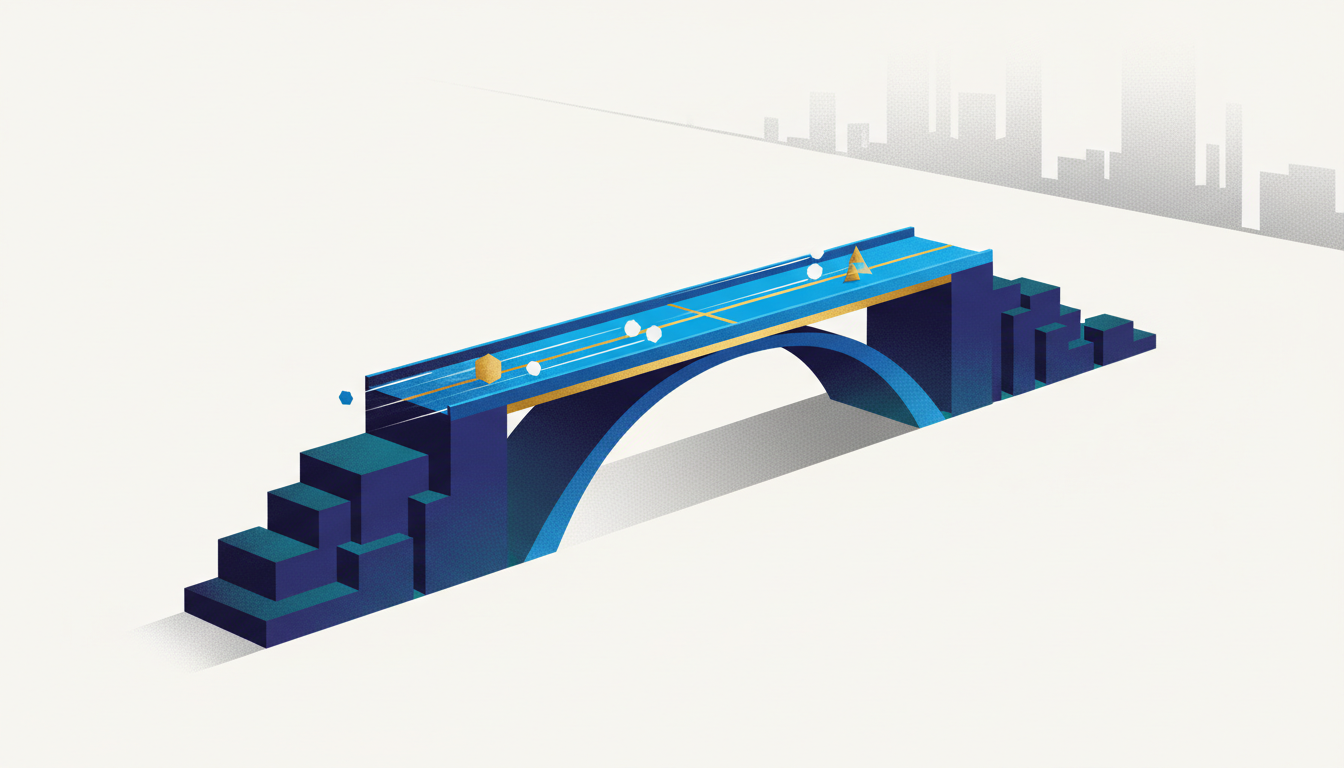
Layer 2 networks process transactions off-chain while tapping into Layer 1 security, cutting costs and expanding access for dApps around the world.
This surge comes as transaction fees on Ethereum Layer 2 networks hit historic lows after the Dencun upgrade.
Developers and users are embracing these changes with more adoption and experiments.
The crypto world is buzzing as a result.
"Ethereum L2 transaction costs continue to hit new lows post-Dencun, making dApps even more accessible."
, Gislaine Altieri (KuCoin)
Context: The Scalability Crisis and Layer 2's Rise
Blockchain scalability has been a major hurdle since Ethereum's early days.
High gas fees and slow speeds have blocked mainstream adoption.
As DeFi, tokenization, and institutional players grow, they're straining Layer 1 networks even more.
Without a fix, blockchain's dream as a global financial system could stall.
Layer 2 networks handle transactions off-chain and link back to the mainnet for security.
This approach reflects a trend toward modular designs that focus on speed, cost, or features.
AI-driven decentralized infrastructure is gaining traction too.
Details: Innovations and Challenges in Layer 2 Scaling
Ethereum's Layer 2 ecosystem leads with rollup tech like Optimistic Rollups and ZK-Rollups.
They slash transaction costs to new lows after the Dencun upgrade, as KuCoin reports.
These tools bundle thousands of transactions into one proof, easing the load on the Ethereum mainnet while keeping security intact.
The outcome is a platform that dApps can use more easily, sparking ideas in gaming, DeFi, and other areas.
Layer 2 networks also team up with AI-crypto projects to advance decentralized setups.
Initiatives like Bittensor and Render, as DEXtools points out, drive the DePIN revolution and create markets for AI computing and GPU resources.
This mix of AI and Layer 2 scaling points to a future where blockchain manages finances and powers vast decentralized intelligence.
Security issues in cross-chain protocols like Wormhole still loom large.
Phemex notes that problems in bridges connecting networks such as Ethereum and Solana could erode trust.
These vulnerabilities might slow multi-chain growth.
The progress is clear, but risks show the path to full scalability isn't complete yet.
Reaction: Industry and Community Response
The crypto community and stakeholders are excited about Layer 2's potential for 2026.
Developers flock to these networks for cheaper and faster transactions, and institutions see them as a bridge to traditional finance, per treasuryxl.com trends.
This enthusiasm marks a key moment for mainstream use.
Yet, worries about security and interoperability persist.
Forums stress the need for strong audits and governance in cross-chain systems to avoid setbacks.
This mix of hope and caution defines Layer 2's story.
The future of Layer 2 in 2026 depends on balancing new ideas with safety.
Upcoming rollup upgrades and cross-chain breakthroughs could solidify their role.
AI projects like DePIN might open fresh blockchain applications, so watch Ethereum's ecosystem and AI partnerships closely.