HYPE Token Under Pressure as Multicoin Capital Moves $8M to Coinbase Prime
Multicoin Capital and Bitwise deposited nearly 160000 HYPE tokens worth $8.74 million into Coinbase Prime on July 30 2026. These moves coincide with HYPE
Summary
- Multicoin Capital and Bitwise deposited nearly 160000 HYPE tokens worth $8.74 million into Coinbase Prime on July 30 2026.
- These moves coincide with HYPE trading 30 percent below its record high amid broader market weakness.
- Hyperliquid itself posted strong results with roughly $873 million in revenue on $2.9 trillion in trading volume.
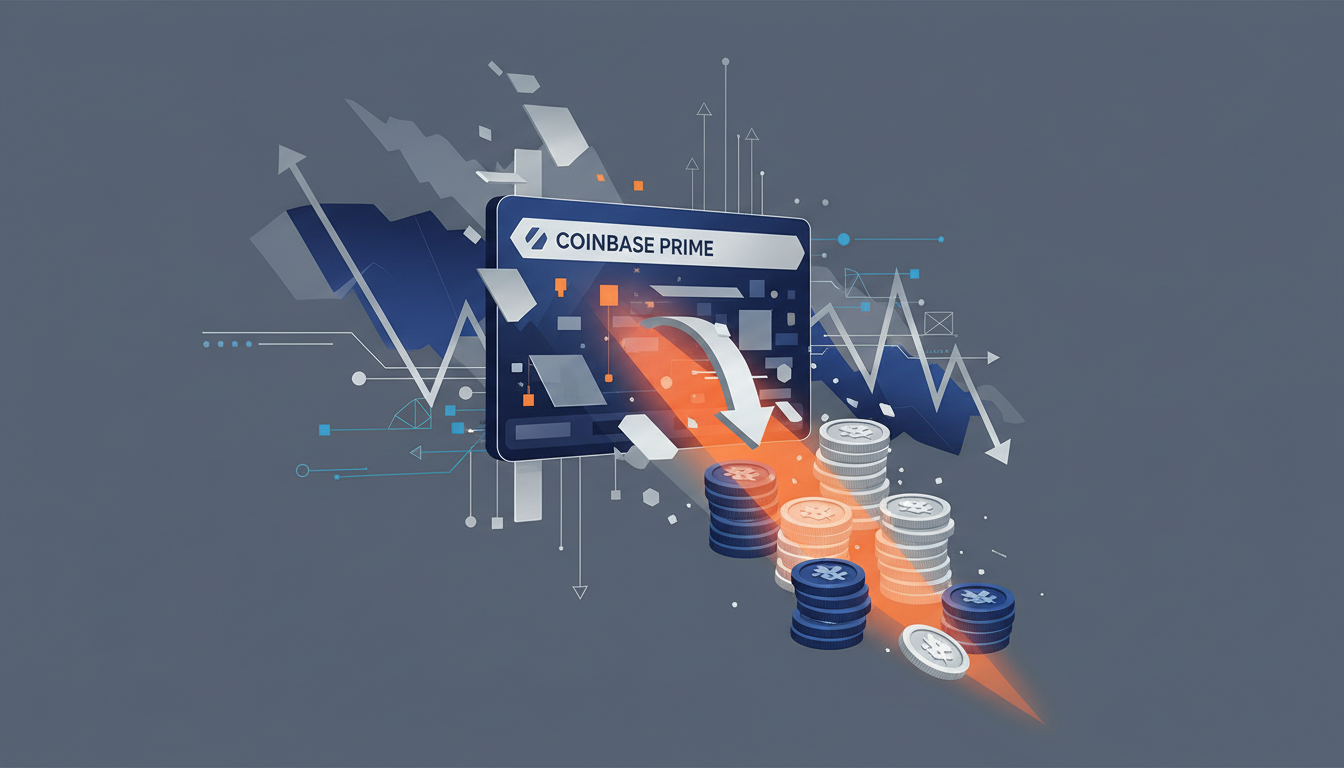
Large on-chain movements rarely go unnoticed in crypto. On July 30 2026, wallets linked to Multicoin Capital and Bitwise sent a combined 159563 HYPE tokens valued at approximately $8.74 million straight to Coinbase Prime. The timing and size of the deposits immediately raised questions about forthcoming sales.
We're looking at whether those institutional transfers drive recent price weakness in HYPE. The evidence points to direct sell pressure from two established firms, even as the underlying Hyperliquid protocol keeps showing robust trading volume and revenue generation.
Transfers Hit the Exchange in a Single Day
The scale of the July 30 activity stands out because both transfers landed within hours of each other. Multicoin Capital moved 137100 HYPE tokens, worth $7.51 million at the time, to its Coinbase Prime account. Bitwise followed with an additional 22463 HYPE tokens valued at $1.23 million.
- Multicoin Capital deposit: 137100 HYPE ($7.51 million)
- Bitwise deposit: 22463 HYPE ($1.23 million)
- Combined total: 159563 HYPE ($8.74 million)
Such concentrated inflows to a prime brokerage platform typically precede liquidity events. Coinbase Prime accounts are used by institutions for large-scale execution, and the simultaneous nature of the two deposits amplified market concern. The token had already fallen roughly 30 percent from its peak, and the new exchange deposits added visible supply pressure at a sensitive moment.
Revenue Figures Show Protocol Strength
Hyperliquid's underlying metrics remain impressive despite the token-level selling. The protocol processed approximately $2.9 trillion in trading volume and generated roughly $873 million in revenue. These numbers come directly from Multicoin Capital's own June 2026 analysis of the project, which described HYPE as one of the cleanest token designs in crypto.
Strong volume and revenue data normally support token value over the long term. Yet short-term price action can decouple when large holders decide to reduce exposure. And honestly, that's a big deal when institutions move this much supply at once.
The July 30 deposits illustrate that gap between protocol performance and token-holder behavior. Institutions that participated in earlier rounds appear willing to realize gains or cut risk even while daily trading activity on Hyperliquid stays elevated.
Unstake Event Does Not Signal New Supply from Vesting
A common concern around late July involved a scheduled unstake of 3.3 million HYPE tokens, valued near $198 million at then-current prices. Reports clarify that this movement does not represent a protocol vesting cliff or forced distribution. Instead, the tokens were already allocated and simply moving from a staked state back to liquid wallets.
This distinction matters. Vesting releases usually create predictable, recurring supply shocks that markets can price in advance. An unstake without an accompanying unlock schedule removes one potential catalyst for sustained downward pressure.
Observers therefore focused more on the exchange deposits than on the unstake itself when attributing the price decline. The weight of available data suggests the immediate price reaction stems more from the documented institutional transfers than from any protocol-level unlock. Whether those transfers represent profit-taking, portfolio rebalancing, or reduced conviction remains open to interpretation.
What remains unclear is how quickly the market will absorb the new supply now sitting at Coinbase Prime. Continued monitoring of on-chain flows from these specific addresses will help separate one-time repositioning from ongoing distribution pressure.