Muse AI Agent Expands From Apps to Auto and Wearables
Meta's Muse AI agent reached 560,000 daily users within 11 days of its early September 2026 launch. The new Charm hardware adds a 2-inch touchscreen and 5G
Summary
- Meta's Muse AI agent reached 560,000 daily users within 11 days of its early September 2026 launch.
- The new Charm hardware adds a 2-inch touchscreen and 5G connectivity to support voice, touch, and camera interactions.
- AI-linked tokens such as Bittensor and NEAR posted over 20 percent 7-day gains even as narrative and liquidity risks remain for the sector.
Meta's Muse AI agent jumped from software to its own hardware in September 2026. That shift raises fresh questions about how the same agent might land inside vehicles for personalized help. Four linked developments point to the current direction and the market signals that ride along with it.
Muse Launch and Early Adoption Numbers
Muse hit the market in early September 2026. It pulled in 560,000 daily users within the first 11 days. That kind of pace shows real appetite for conversational AI agents that tackle everyday tasks through voice and other inputs. The quick uptake also cleared the way for hardware news later that month.
Charm Hardware Brings Dedicated Device Support
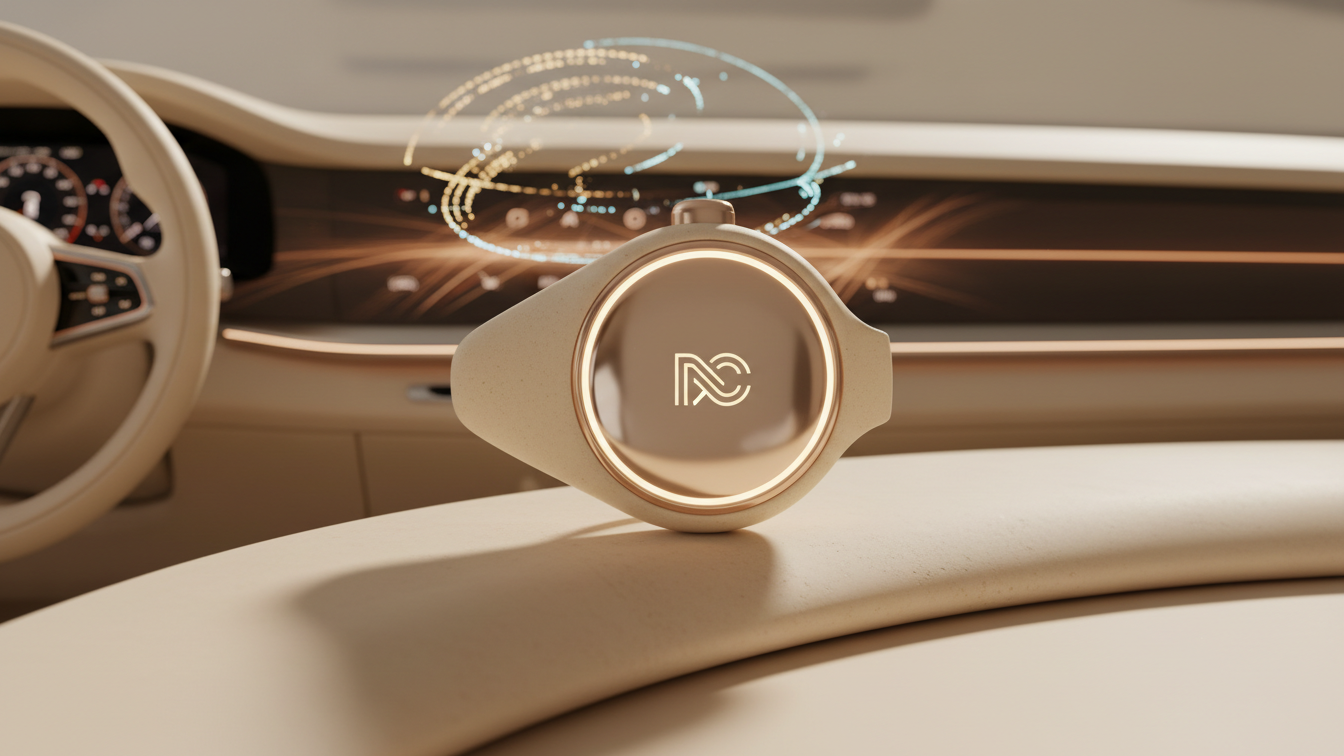
Meta rolled out the Charm handheld in September 2026 to run the Muse agent. The device packs a roughly 2-inch touchscreen and built-in 5G. Meta says users can interact through voice, touch, or the camera. The design aims for constant access without forcing people to rely only on phones or apps. Automotive teams are eyeing similar always-available interfaces for in-car assistance.
Automotive Integration Remains an Open Path
Muse could find a role in vehicles for personalized in-car help. No production integrations have been confirmed yet. The Charm's 5G link and compact size give technical pieces that might carry over to automotive systems. Privacy rules and vehicle certification timelines will shape any rollout, observers say.
AI Crypto Tokens Show Momentum Alongside Risks
Bittensor and NEAR Protocol posted the strongest 7-day gains among tracked AI tokens, each climbing more than 20 percent. At the same time, FET, RNDR, and TAO still face narrative risk if AI interest fades and liquidity risk when altcoin markets drop. These tokens swing harder than large-cap assets during downturns. Hardware moves at companies like Meta can boost related crypto stories, yet they also leave smaller tokens open to quick reversals.
The four items show how one AI agent can shift from app to wearable and maybe into cars while parallel crypto assets react to the same trend. Watch for Meta's next hardware updates and any announced vehicle partnerships in the coming quarters. Track token liquidity metrics to see whether momentum in names such as Bittensor holds or fades.