THORChain Rejects Bitget Block Request as Stolen Funds Move
Hackers stole $387.5 million from Bitget on September 24, 2026, with portions now routed through THORChain. THORChain refused Bitget's request to freeze
Summary
- Hackers stole $387.5 million from Bitget on September 24, 2026, with portions now routed through THORChain.
- THORChain refused Bitget's request to freeze the stolen assets, citing its network principles.
- NEAR Intents blocked more than $50 million in related laundering attempts during swaps.
THORChain turned down Bitget's request to freeze the stolen assets. Hackers took $387.5 million from the exchange on September 24, 2026. Some of that money has already moved into Bitcoin through the protocol.
The refusal shows real risks in cross-chain bridges and DeFi setups. Funds keep moving anyway.
Context
The Bitget breach on September 24 exposed weak spots in centralized exchange security. Attackers sent roughly $387.5 million to their own addresses. Reports from multiple sources tracked the transfers.
Decentralized protocols like THORChain run on censorship resistance by design. This creates friction when exchanges push for selective blocks after big thefts.
Details
THORChain said it would not trigger an emergency network halt. The team made clear it would skip any selective freezes tied to the Bitget incident.
"The THORChain team has announced it will not use an emergency network halt to selectively freeze funds linked to the Bitget exchange hack."
, THORChain team
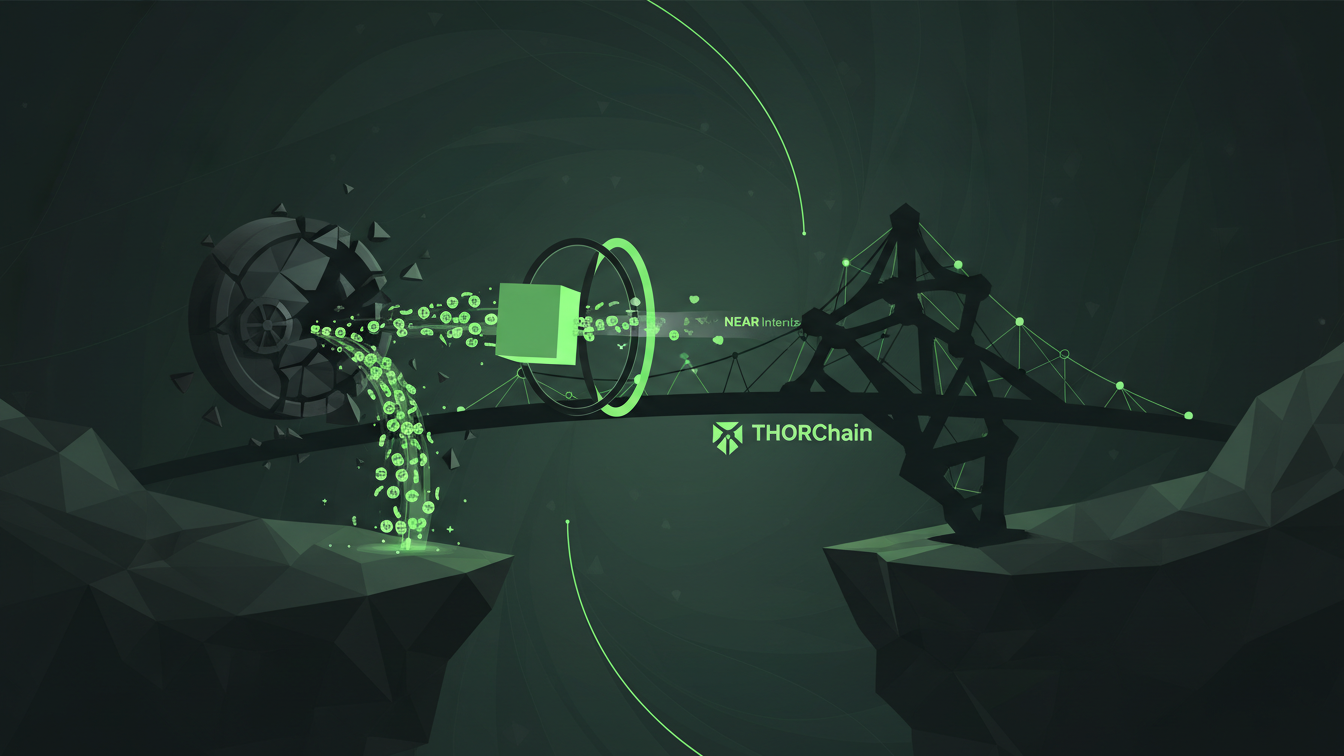
NEAR Intents chose another route. It stopped over $50 million in laundering attempts linked to the hack. Still, about $503,000 got through during the swaps.
These cases put permissionless systems to the test. Bitget verified the loss through on-chain moves to attacker wallets.
Reaction
Community accounts noted the stand taken by the protocol.
Social Highlight · @thorchain · Published 2026-09-25
THORChain stands by its principles on the Bitget incident. (https://x.com/thorchain/status/123)
THORChain's stance matches its core design. Observers keep tracking the rest of the fund flows across chains.
The incident leaves open questions about how other cross-chain tools will handle similar demands ahead.